Bone grafting is a surgical procedure that rebuilds jawbone in areas where bone has been lost due to tooth loss, gum disease, or trauma. When a tooth is missing, the bone that once supported it begins to deteriorate. Over time, this can leave insufficient structure to support a dental implant.
During the procedure, graft material is placed into the affected area where it integrates with your existing bone and stimulates new growth. Once the site has healed and rebuilt enough density, it creates the solid foundation needed for successful implant placement. Dr. Koman uses bone grafting to make implants possible for patients who would otherwise lack the bone to support them.
Bone graft material is placed into the area of the jaw where bone has been lost. This material can come from a variety of sources including your own bone, donor tissue, or a high-quality synthetic substitute. Dr. Koman selects the type of graft based on the location, extent of bone loss, and your overall treatment plan.
Once placed, the graft acts as a scaffold that encourages your body to generate new bone cells. Over the next several months, the graft integrates with your existing jaw and builds enough density and volume to securely anchor a dental implant.
When a tooth is lost, the jawbone in that area stops receiving the stimulation it needs to maintain its density. The bone begins to resorb, and over time the area becomes too thin or too shallow to support an implant post. Gum disease and trauma can accelerate this process.
Bone grafting reverses that deterioration. It rebuilds the jaw to a point where implants can be placed safely and with long-term stability. Without grafting, many patients with bone loss would be unable to receive implants at all.
Bone grafting is typically recommended for patients who want dental implants but don’t currently have enough jawbone to support them. This is common in patients who have been missing teeth for an extended period, have a history of gum disease, or have experienced facial trauma.
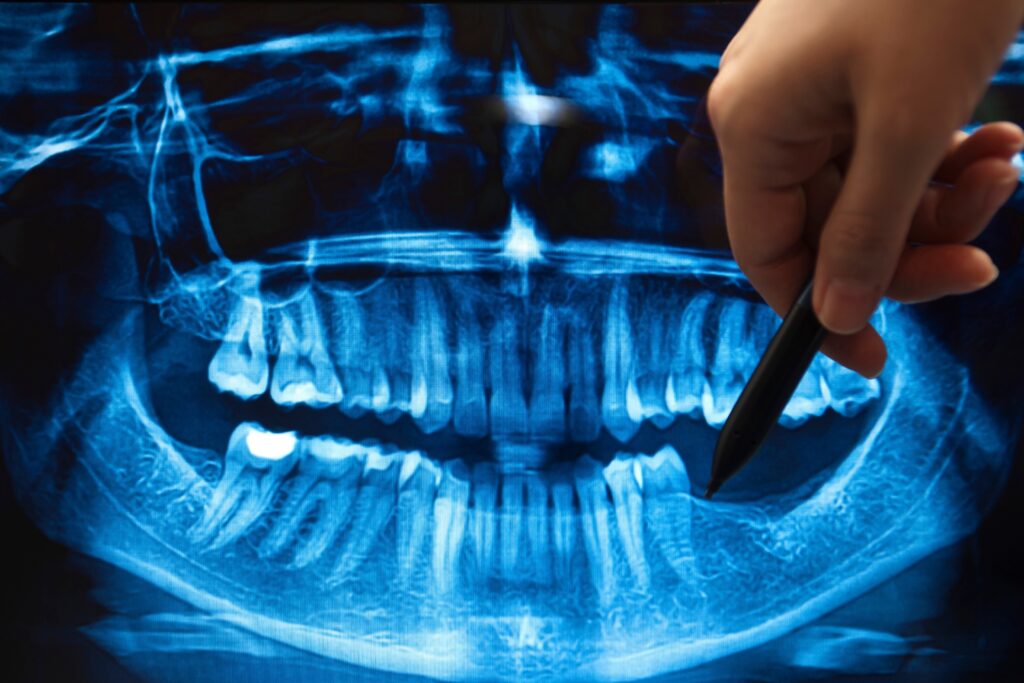
In some cases, a bone graft is placed at the same time as a tooth extraction to preserve the socket and prevent bone loss before it starts. Dr. Koman will evaluate your bone density with 3D imaging during your consultation and let you know whether grafting is needed as part of your implant plan.

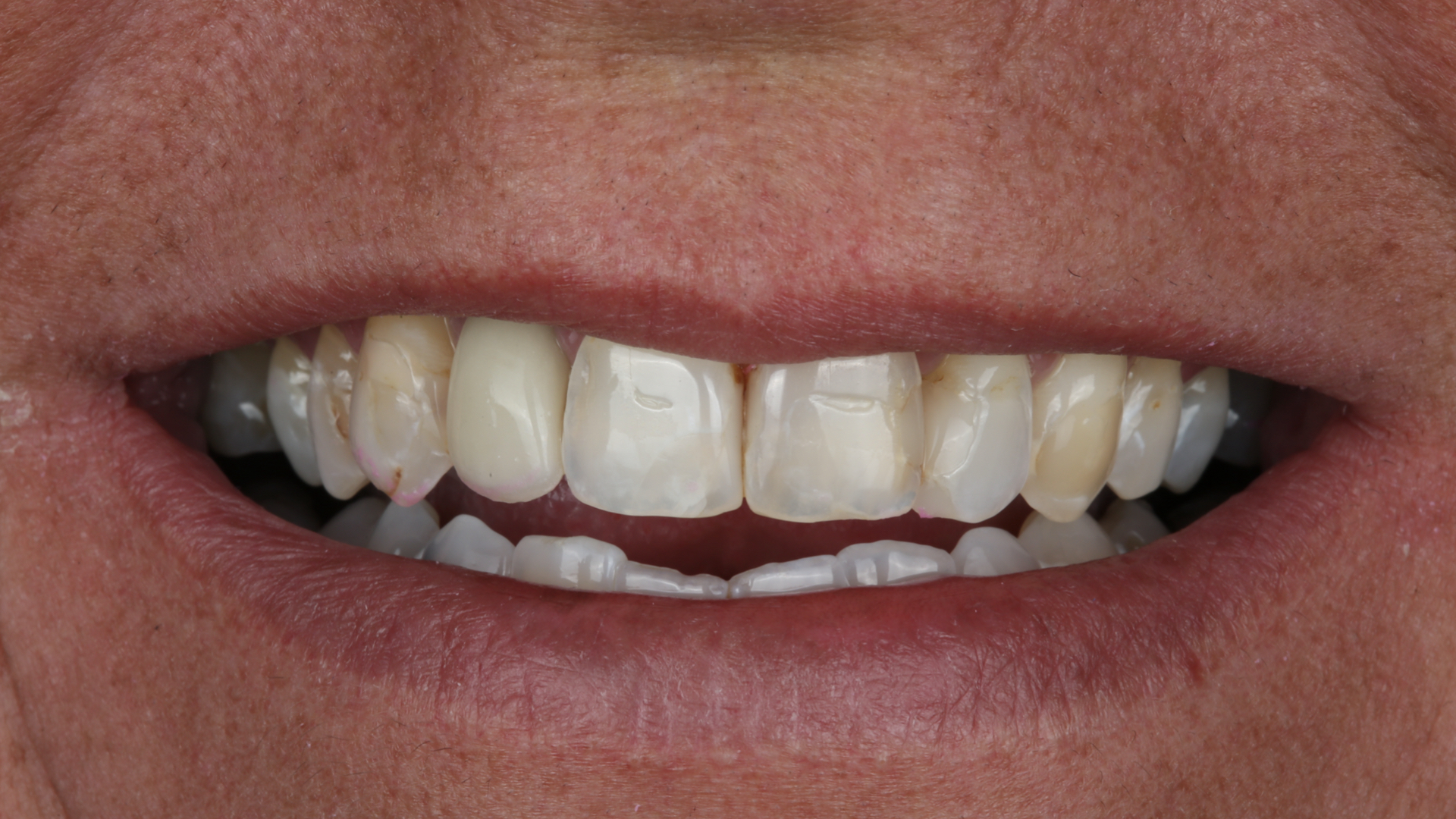
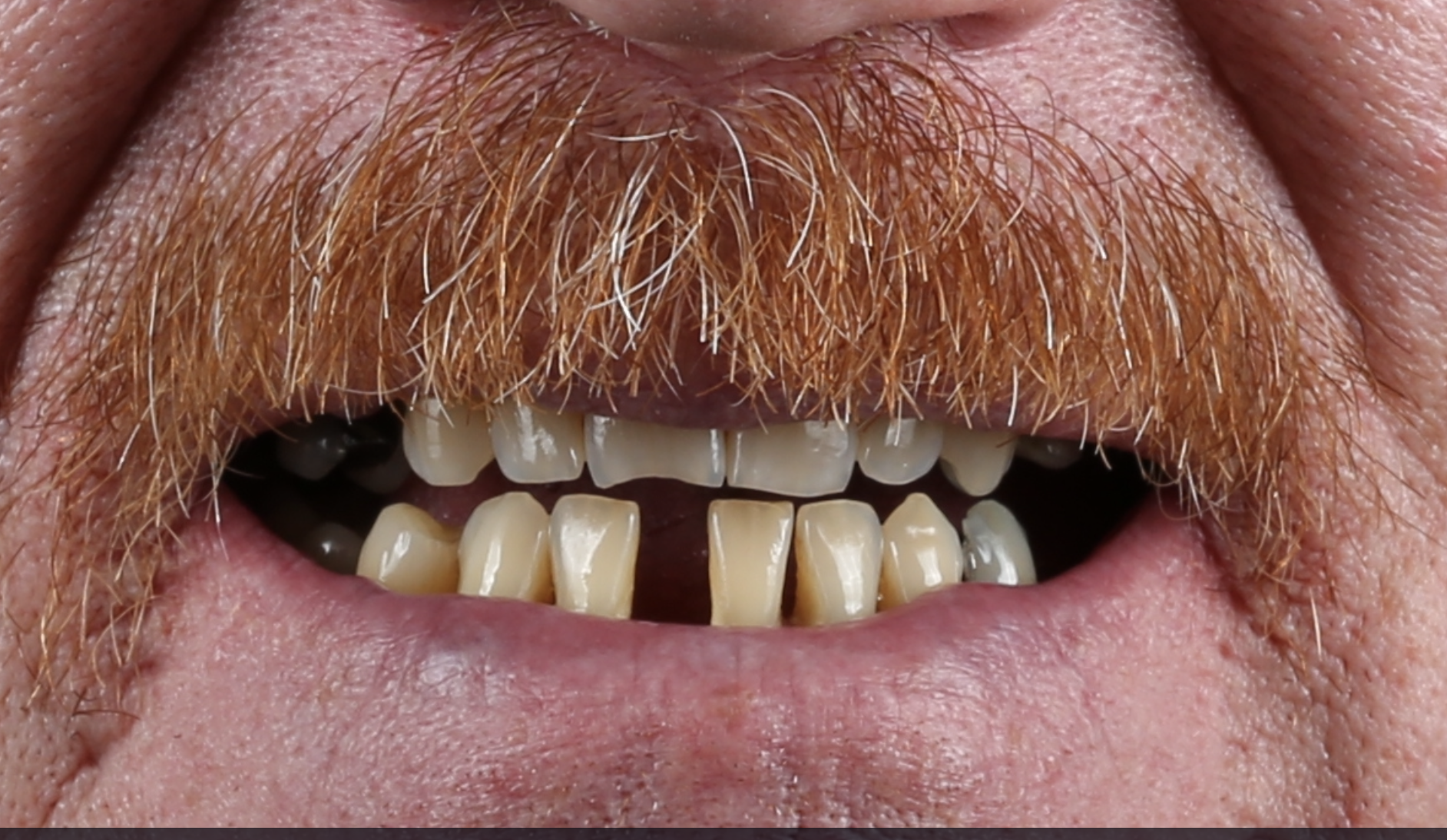
These transformations were performed right here at Koman Dental Denver. Every case is unique, but the results speak for themselves.
Full mouth rehabilitation combining implants and restorations for lasting function and confidence.
Veneers and whitening designed to enhance natural beauty while maintaining a seamless, authentic look.
A full arch of permanent teeth placed on four implants, replacing failing dentition with a complete, functional smile.
Dr. Koman takes 3D imaging to assess the extent of bone loss and determine the type, volume, and placement of graft material needed to support your implant plan.
Under local anesthesia, the graft material is placed into the area of bone loss. The site is carefully closed and protected to allow the healing process to begin.
Over the next 3 to 6 months, the graft integrates with your existing bone and stimulates new growth. This rebuilds the density and volume your jaw needs to support an implant.
Once the bone has fully regenerated, Dr. Koman places your implant into a strong, stable foundation. From here, your implant journey continues with healing and final restoration.
A successful implant starts with solid bone. Dr. Koman uses 3D imaging to assess every case thoroughly and selects the right grafting approach to give your implant the strongest possible foundation from day one.


The procedure is performed under local anesthesia so you won't feel pain during surgery. Most patients experience some soreness and swelling for a few days after, which is managed with prescribed or over-the-counter medication.
Healing typically takes 3 to 6 months depending on the size and location of the graft. Dr. Koman monitors your progress and will let you know when the bone is ready for implant placement.
Graft material can come from your own bone, donor tissue, or a biocompatible synthetic substitute. Dr. Koman selects the best option based on your specific case and the amount of bone that needs to be rebuilt.
In some cases, yes. If the bone loss is minor, Dr. Koman may be able to place the graft and implant in a single procedure. For more significant bone loss, the graft needs time to heal before the implant can be placed.
Not always. If you have sufficient bone density, implants can often be placed without grafting. Some techniques like All-on-4 are specifically designed to work with less bone. Dr. Koman will evaluate your situation with 3D imaging and only recommend grafting if it's necessary.
Call us at (303) 759-0731 or book online. We'll take 3D imaging to assess your bone and walk you through whether grafting is needed as part of your implant plan.