Root canal therapy is a procedure that saves a tooth that’s been severely damaged by decay, trauma, or infection. The infected or inflamed pulp inside the tooth, which contains the nerves and blood vessels, is carefully removed. The inner canals are then cleaned, disinfected, and sealed to eliminate the infection and prevent it from returning.
Despite its reputation, a root canal is no more uncomfortable than getting a filling. The area is completely numbed, and most patients feel immediate relief once the source of their pain is gone. A crown is typically placed afterward to restore the tooth’s strength and protect it long-term.
The tooth is numbed with local anesthesia so you won’t feel any pain during the procedure. Dr. Koman creates a small opening in the top of the tooth to access the pulp chamber and root canals inside. The infected or damaged pulp tissue is carefully removed, and the canals are cleaned, shaped, and disinfected to eliminate all bacteria.
Once the canals are thoroughly cleaned, they’re filled and sealed with a biocompatible material to prevent reinfection. A temporary filling protects the tooth while a custom crown is fabricated. The crown is placed at a follow-up visit to restore the tooth’s full strength, function, and appearance.
A root canal is necessary when the pulp inside a tooth becomes infected or inflamed. This can happen from deep decay that reaches the nerve, a crack or chip that exposes the inner tooth, repeated dental procedures on the same tooth, or trauma to the face. Common signs that you may need a root canal include severe toothache, prolonged sensitivity to hot or cold, darkening of the tooth, swelling in the gums, or a persistent pimple on the gum near the tooth.
If you’re experiencing any of these symptoms, don’t wait. The infection won’t resolve on its own and can spread to surrounding bone and tissue if left untreated.
Whenever possible, saving your natural tooth is the better option. A root canal preserves the tooth’s root, maintains your natural bite alignment, and avoids the additional time and cost of replacing the tooth with an implant or bridge. Extraction is only recommended when the tooth is too far gone to save.
Dr. Koman will evaluate the tooth with digital imaging and give you an honest recommendation. If a root canal can save it, that’s the path he’ll suggest. If extraction is truly the better call, he’ll explain why and walk you through replacement options during the same visit.

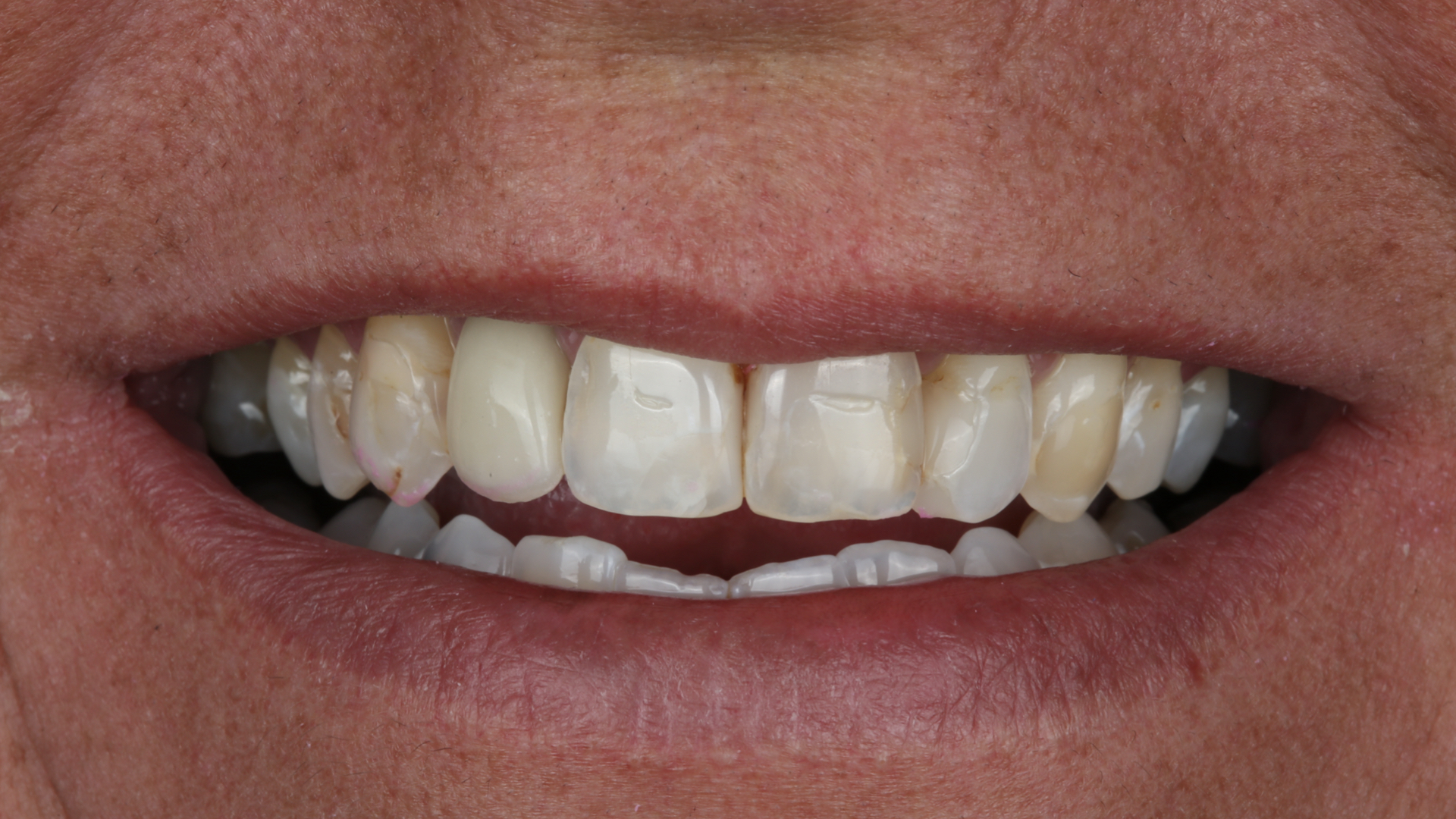
These transformations were performed right here at Koman Dental Denver. Every case is unique, but the results speak for themselves.
Full mouth rehabilitation combining implants and restorations for lasting function and confidence.
Veneers and whitening designed to enhance natural beauty while maintaining a seamless, authentic look.
Clear aligners used to close gaps and correct crowding for a straighter, more balanced smile.
A straightforward process that relieves your pain and saves your tooth.
Dr. Koman examines the tooth and takes digital imaging to assess the infection, root structure, and surrounding bone to confirm that a root canal is the right treatment.
The tooth is thoroughly numbed with local anesthesia. A small opening is made to access the pulp chamber and root canals inside the tooth.
The infected pulp is removed, the canals are cleaned and disinfected, and the space is filled and sealed to prevent reinfection. A temporary filling protects the tooth.
A custom crown is fabricated and placed at a follow-up visit to restore the tooth's strength, function, and appearance. The tooth is fully protected and ready for normal use.


No. The tooth is completely numbed before the procedure begins. Most patients say it feels similar to getting a filling. If you have dental anxiety, sedation options are available to help you stay relaxed.
Common signs include severe toothache, lingering sensitivity to hot or cold, darkening of the tooth, gum swelling, or a bump on the gum near the tooth. If you're experiencing any of these, call us for an evaluation.
Saving your natural tooth preserves your bite alignment, avoids the cost and time of a replacement like an implant, and keeps your jawbone stimulated. Extraction is only recommended when the tooth truly can't be saved.
Most patients feel back to normal within a day or two. Some mild soreness is common and can be managed with over-the-counter medication. You'll be able to eat and function normally once the numbness wears off.
In most cases, yes. A root canal removes the pulp that supplied the tooth with moisture, which makes it more brittle over time. A crown protects the tooth, restores its strength, and ensures it lasts for years.
Call us at (303) 759-0731 or book online. If you're in pain, let us know and we'll prioritize getting you in for a same-day evaluation.
Whether you need a simple filling, an extraction, or a full reconstruction, we’ll take the time to do it right. Request an appointment online or give us a call.